Wildlife Rescue Guide
Knowing what to do when you encounter wildlife in distress can make the difference between helping an animal or unintentionally causing harm. These guides explain how to respond safely when you find injured wildlife, baby animals, birds, bats, or animals caught in traps.
If you encounter wildlife that may need help, always contact a permitted wildlife rehabilitation centre for advice.
What To Do If You Find Injured Wildlife
When you encounter wildlife in distress, it is important to respond calmly and carefully. Wild animals can die from stress faster than from many injuries, and incorrect handling can make the situation worse.
The most important rule is to observe the animal from a distance and contact a permitted wildlife rehabilitation centre for advice before attempting to intervene.
Wildlife Rescue Emergency Steps
- Observe from a distance. Many animals that appear abandoned are actually being monitored by their parents.
- Reduce stress. Keep people, pets, and noise away from the animal.
- Do not feed wildlife. Incorrect food or water can cause serious harm.
- Contain only if necessary. If the animal is injured or in immediate danger, gently place it in a warm, dark, ventilated box.
- Contact a permitted rehabilitation centre. Wildlife professionals can provide guidance and arrange proper care.
If you're interested in learning how to assist wildlife safely, you can also read about what a Wildlife First Responder is and how trained responders support wildlife rehabilitation centres.
Common Wildlife Rescue Situations
Wildlife emergencies occur in many different situations. The guides below explain how to respond safely when you encounter common wildlife rescue scenarios.
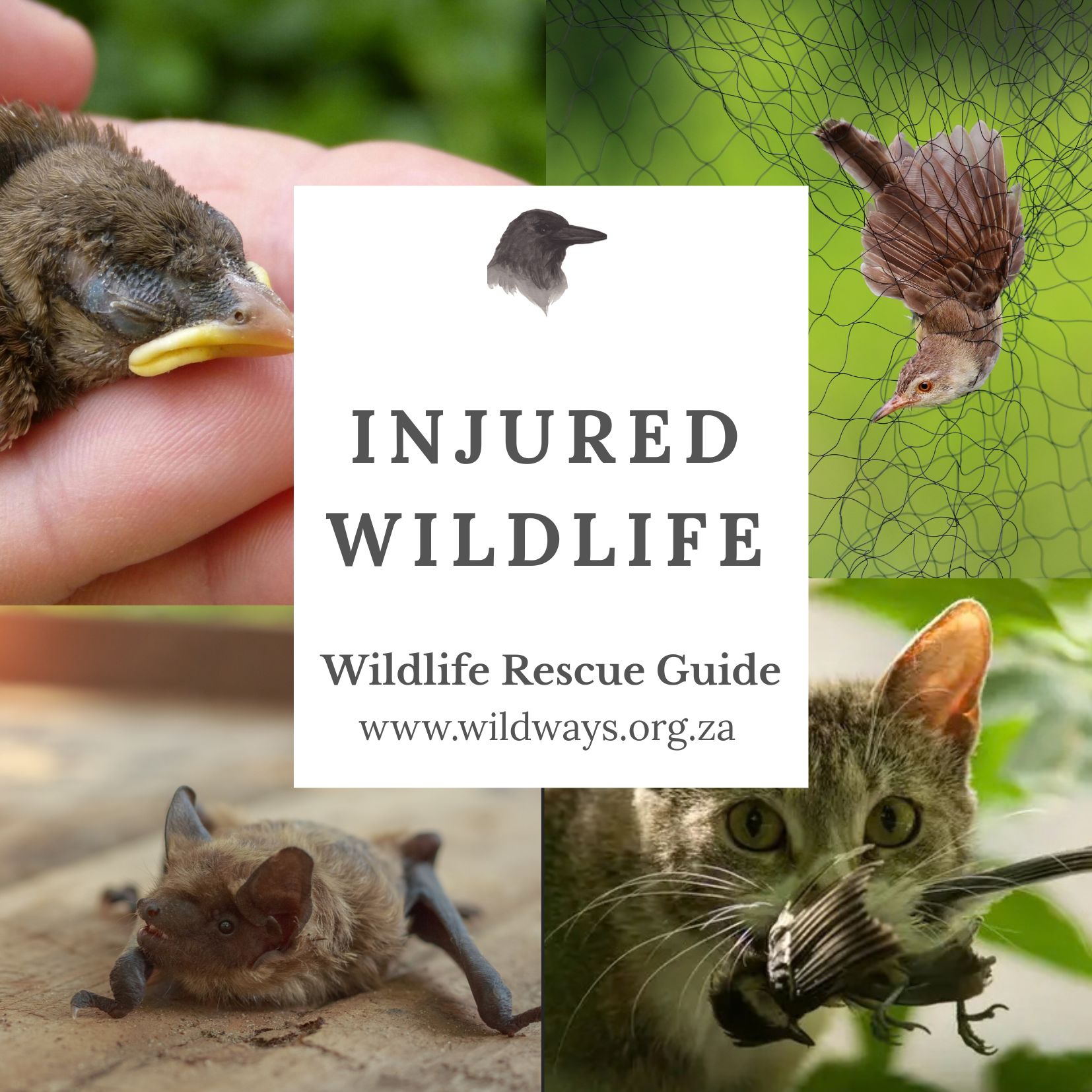
What To Do If You Find Injured Wildlife
Learn how to assess wildlife emergencies and when intervention is necessary.
Read Guide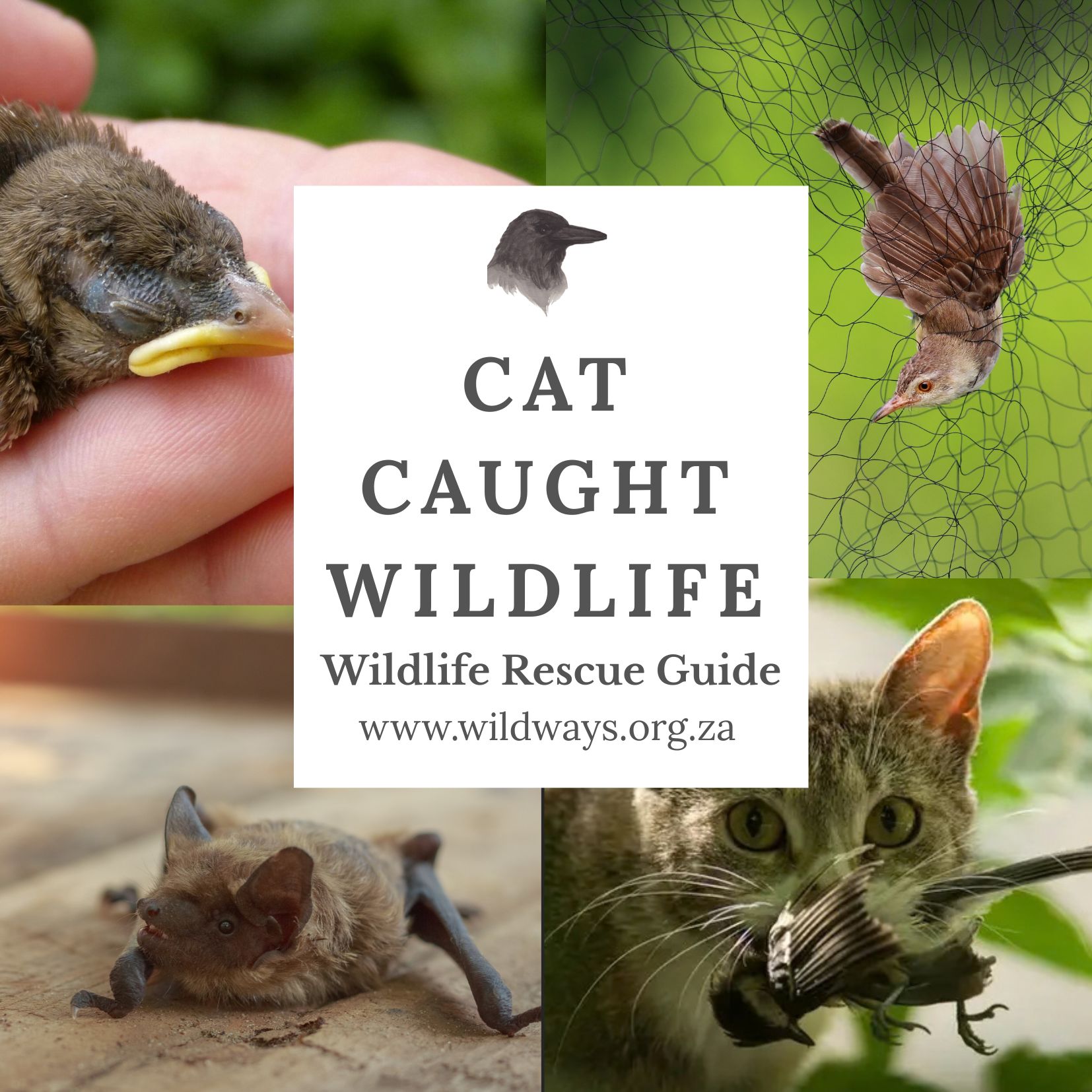
What To Do If a Cat Catches a Bird
Cat saliva contains bacteria that can quickly kill wildlife.
Read Guide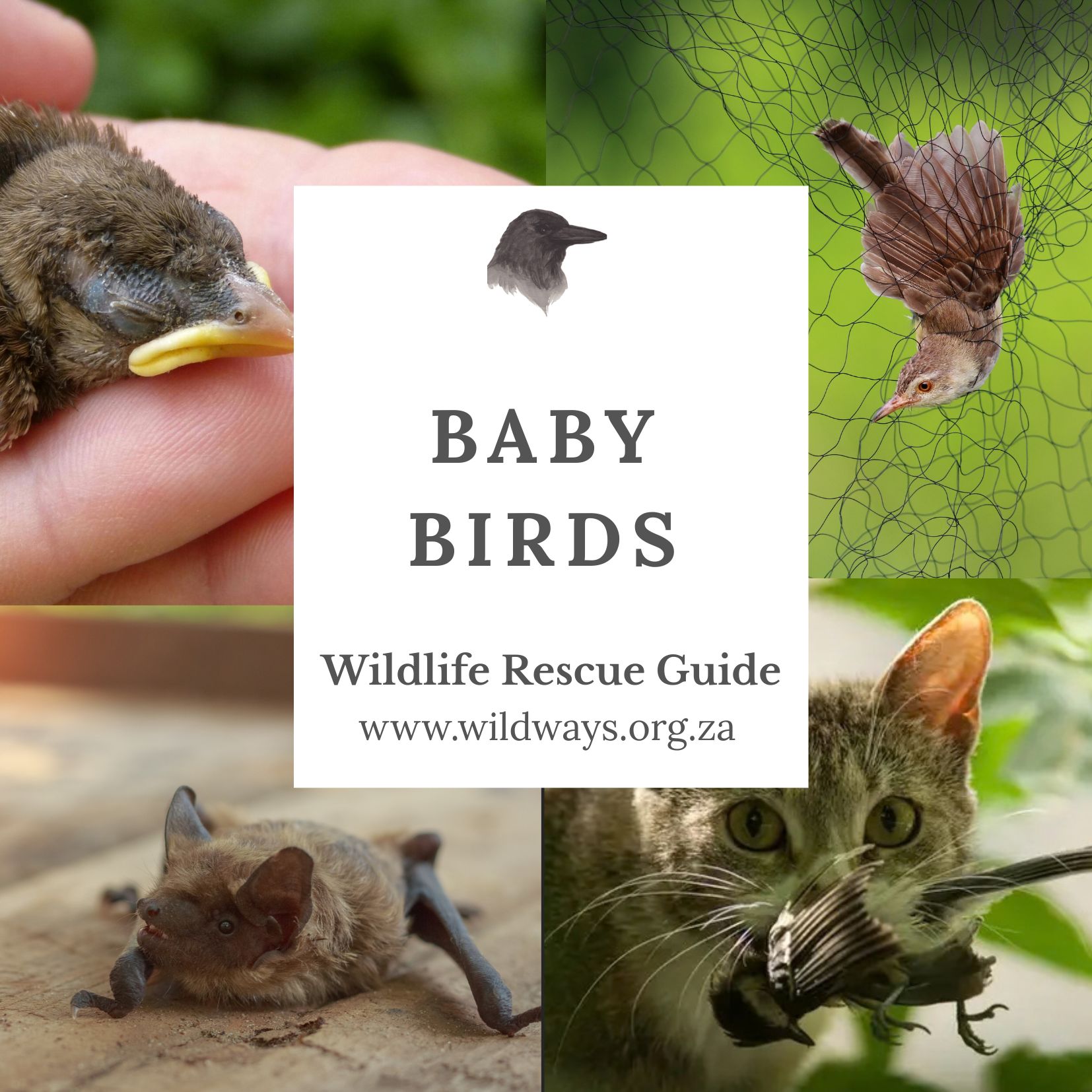
Baby Bird on the Ground
Learn how to identify fledglings and when young birds actually need help.
Read Guide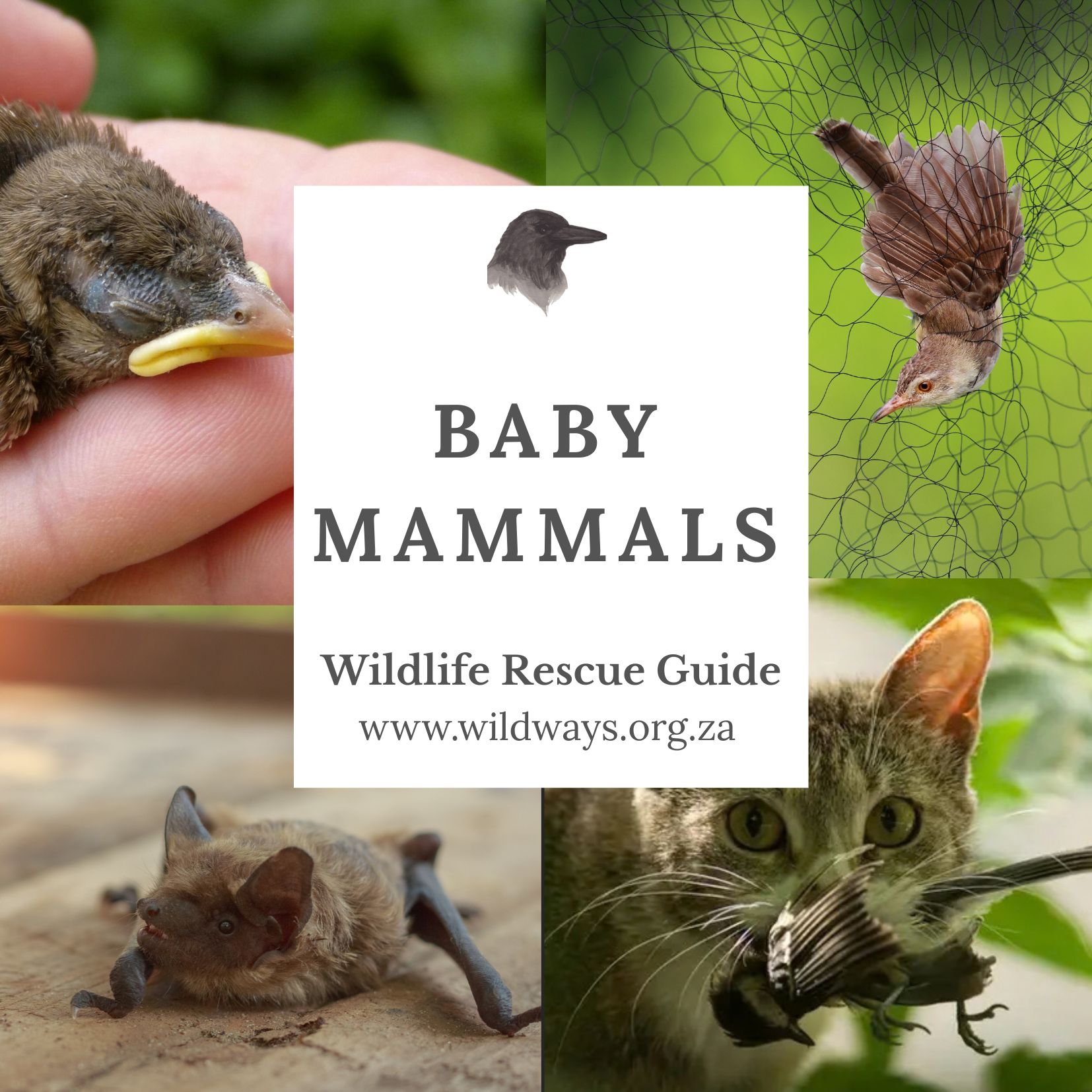
What To Do If You Find a Baby Mammal
Many mammals hide their young. Learn when intervention is necessary.
Read Guide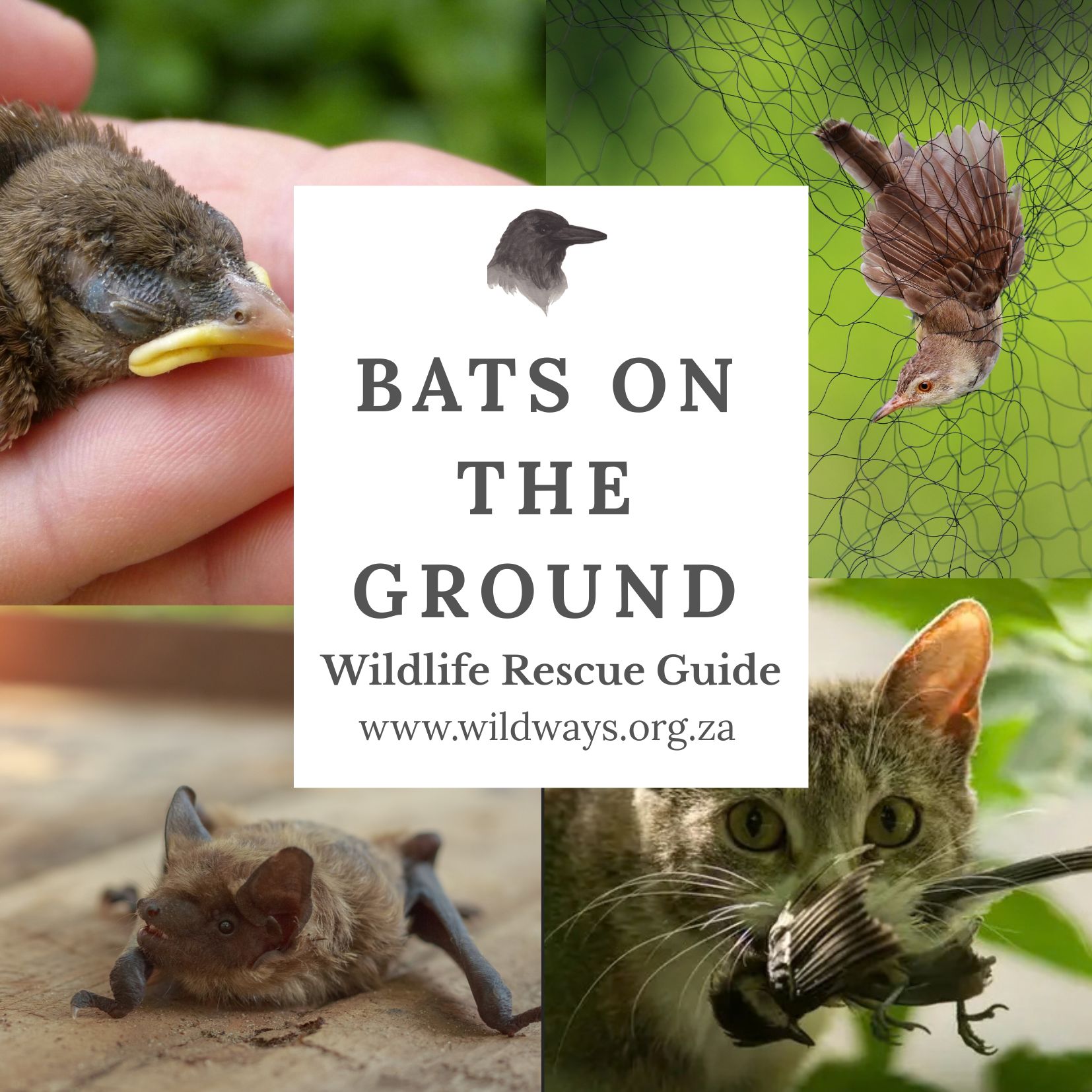
What To Do If You Find a Bat
How to respond safely if you encounter a grounded bat or one inside your home.
Read Guide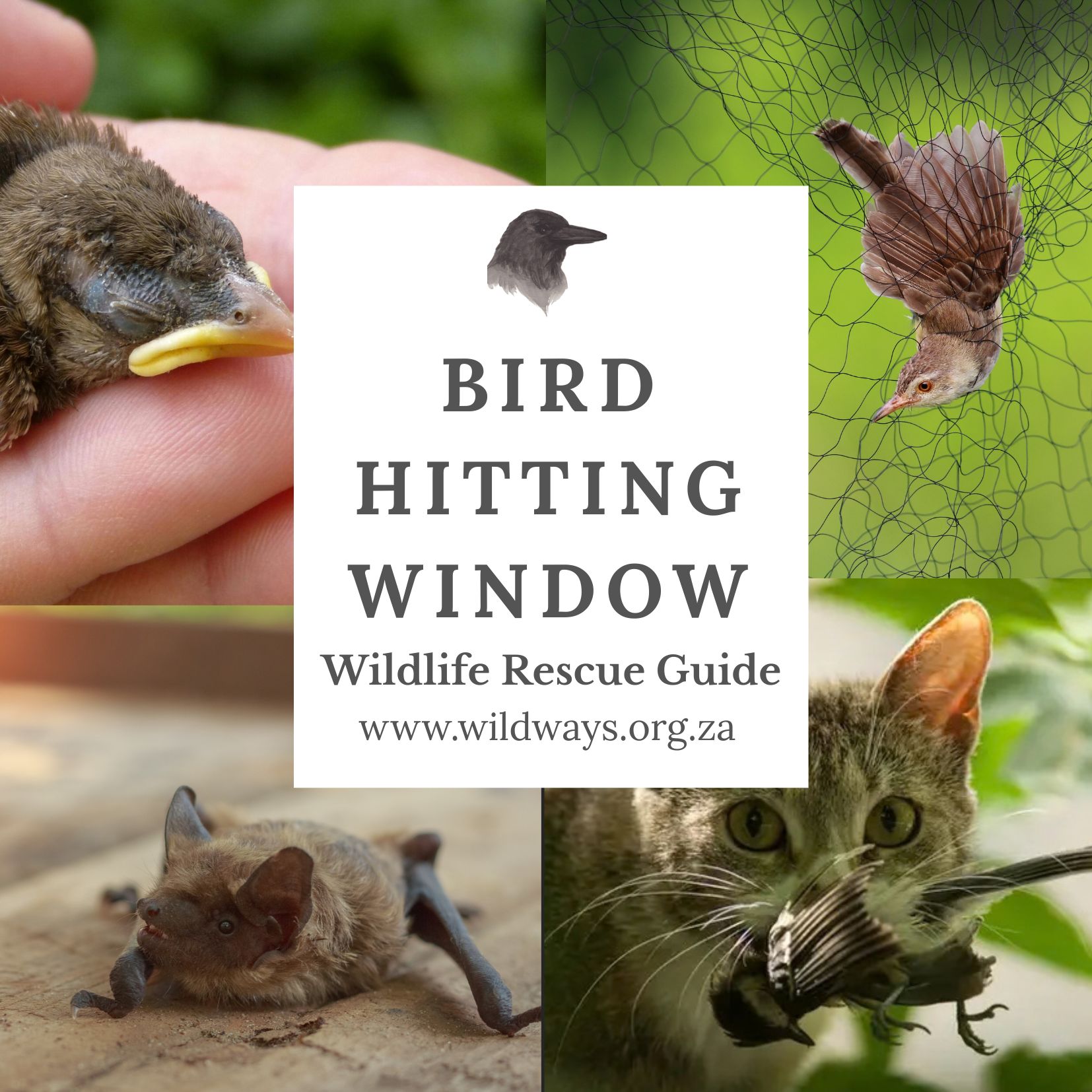
What To Do If a Bird Hits a Window
Window strikes are one of the most common causes of bird injuries.
Read Guide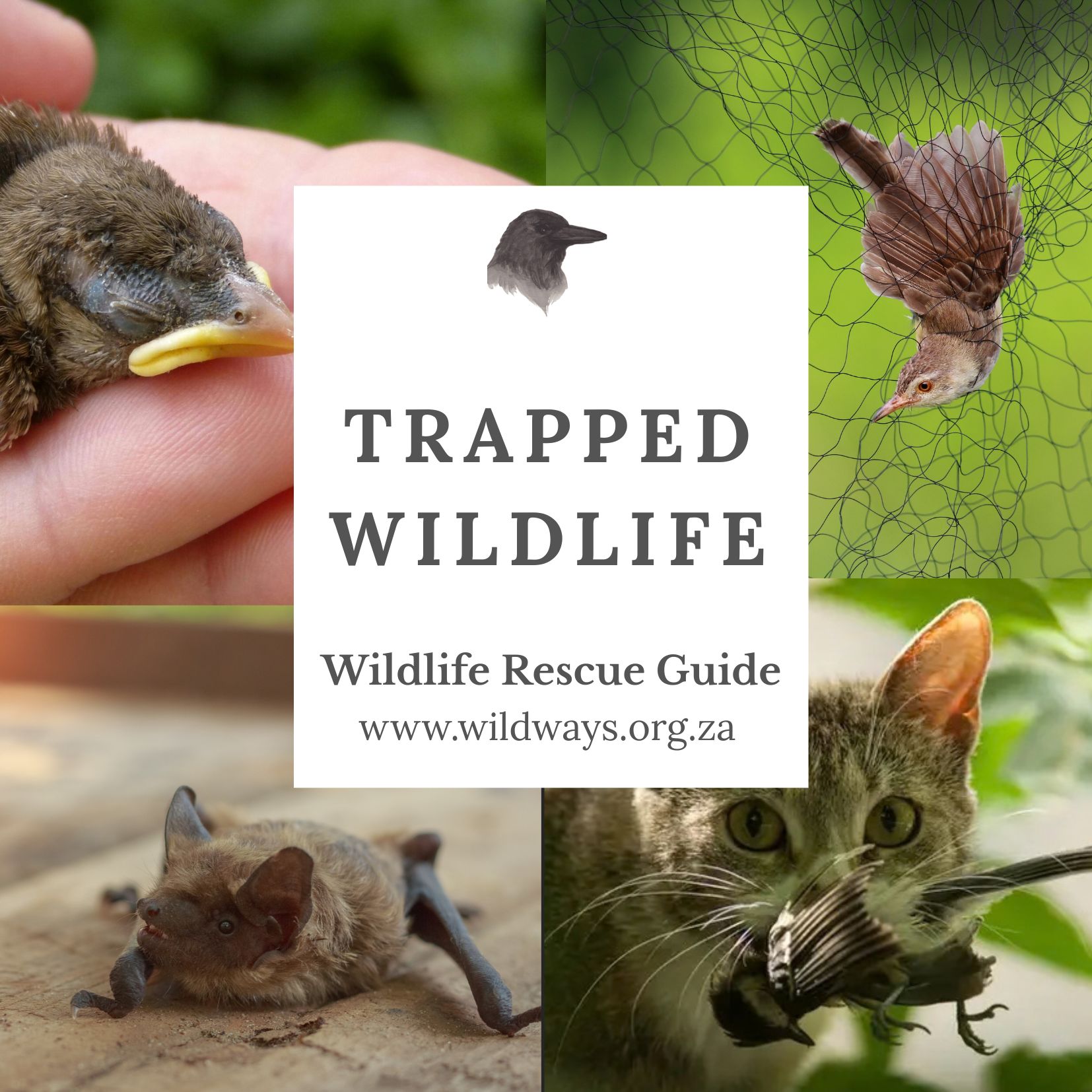
What To Do If Wildlife Is Trapped
How to respond if animals are caught in netting, glue traps, or snares.
Read GuideWildlife Rescue FAQs
What should I do if I find injured wildlife?
The first step is to observe the animal from a distance. Wildlife can die from stress, so avoid handling the animal unless necessary and contact a permitted wildlife rehabilitation centre for advice.
Should I give injured wildlife food or water?
No. Never! Feeding wildlife the wrong food or giving water incorrectly can cause serious harm. Always contact a permitted wildlife rehabilitation centre for guidance.
Can I keep wildlife overnight until a rescue centre opens?
Wildlife should be transported to a permitted rehabilitation centre as soon as possible. Keeping wildlife can increase stress and reduce survival chances. Wildlife First Responders will network to ensure the animal gets to a permitted centre as soon as possible.
Learn Wildlife Rescue the Right Way
If you want to confidently assist wildlife when emergencies occur, our Wildlife First Responder Training teaches practical rescue skills used by wildlife rehabilitators.
Members of the Wild Ways Pack receive a discount on this training and gain access to our private community forum where trained responders connect, share experiences, and access wildlife rescue resources.
View Wildlife First Responder Training