Wild Ways Wildlife Rescue Guide: This article is part of the Wild Ways Wildlife Rescue Guide series, which provides practical advice on how to respond when wildlife is injured, orphaned, or in distress in South Africa.
What To Do If a Cat Catches a Bird (Wildlife Rescue Guide)
One of the most common wildlife emergencies people encounter is a bird or small animal that has been caught by a cat. Even if the animal appears to have only minor injuries, cat attacks are extremely dangerous for wildlife.
If you are unsure how to respond when wildlife is injured, you can also read our guide on what to do if you find injured wildlife.
Quick Steps If a Cat Catches a Bird
- Remove the animal from the cat immediately if it is safe to do so
- Place the animal gently in a ventilated box
- Keep the box dark, warm, and quiet
- Do not feed the animal or give it water
- Contact a permitted wildlife rehabilitation centre immediately
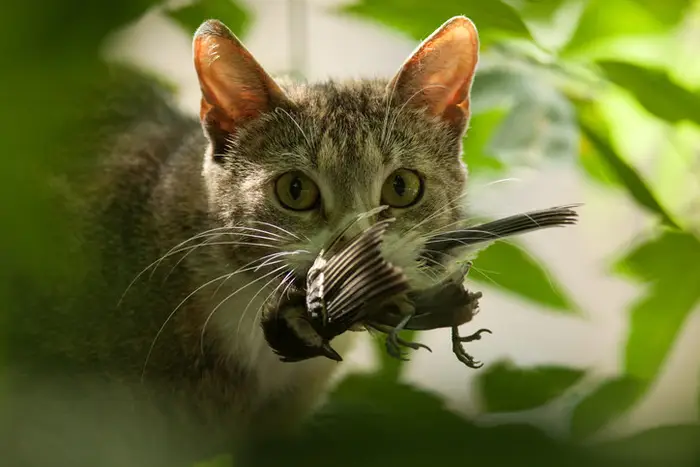
Wildlife caught by cats require urgent help. Cat saliva carries bacteria that can quickly become fatal to small animals such as garden birds.
This Protocol Applies to Any Cat-Caught Wildlife
Although people most commonly encounter birds caught by cats, the same emergency protocol applies to any small wildlife caught by a cat.
This includes birds, rodents, bats, reptiles, and other small animals. Even if the animal appears to escape or has only small puncture wounds which are often invisible or hard to find, it is still considered a medical emergency.
Why Cat Attacks Are So Dangerous
Cat saliva contains bacteria that is extremely dangerous to wildlife. Even tiny puncture wounds can introduce infection into the bloodstream.
For small animals such as garden birds, this infection can become fatal very quickly if they do not receive treatment.
Wildlife caught by cats require antibiotics as soon as possible, which is why they must be assessed by a permitted wildlife rehabilitation centre.
If the Animal Escapes or Flies Away
Sometimes animals manage to escape from a cat and fly or run away. Unfortunately, this does not mean they are safe.
Many wildlife casualties from cat attacks die later from infection caused by bacteria in cat saliva. Even animals that initially appear to recover may still be fatally injured.
Reducing Stress for Injured Wildlife
Wild animals can die from stress faster than from their injuries. Handling, noise, and attention can make the situation worse.
Keeping the animal in a dark, quiet box reduces stress while you contact a permitted wildlife rehabilitation centre for help.
Learn Wildlife Rescue the Right Way
If you want to help wildlife safely and confidently, learning the correct response techniques is essential.
The Wildlife First Responder Training course teaches practical wildlife rescue skills including how to safely contain injured wildlife, reduce stress, and transport animals to permitted wildlife rehabilitation centres.
Become a Wildlife First Responder
Learn how to respond safely when wildlife is in distress and become part of a growing network of trained responders helping wildlife across South Africa.
Members of the Wild Ways Pack receive a discount on this training and gain access to the private community forum where responders connect, share experiences, and access wildlife rescue resources.
View Wildlife First Responder TrainingWildlife Rescue Guides
If you encounter wildlife in distress, these guides explain how to respond safely in common rescue situations.
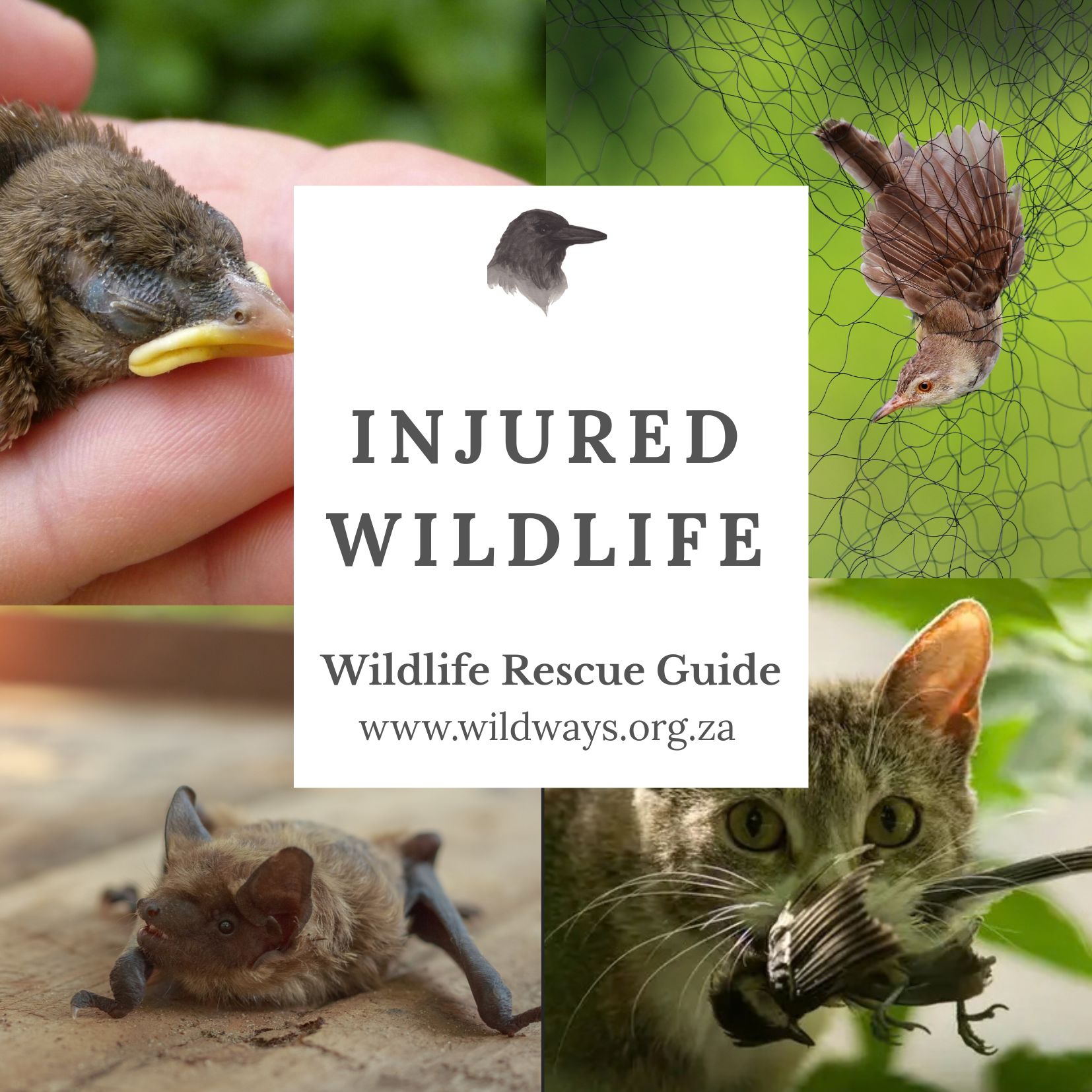 What To Do If You Find Injured Wildlife
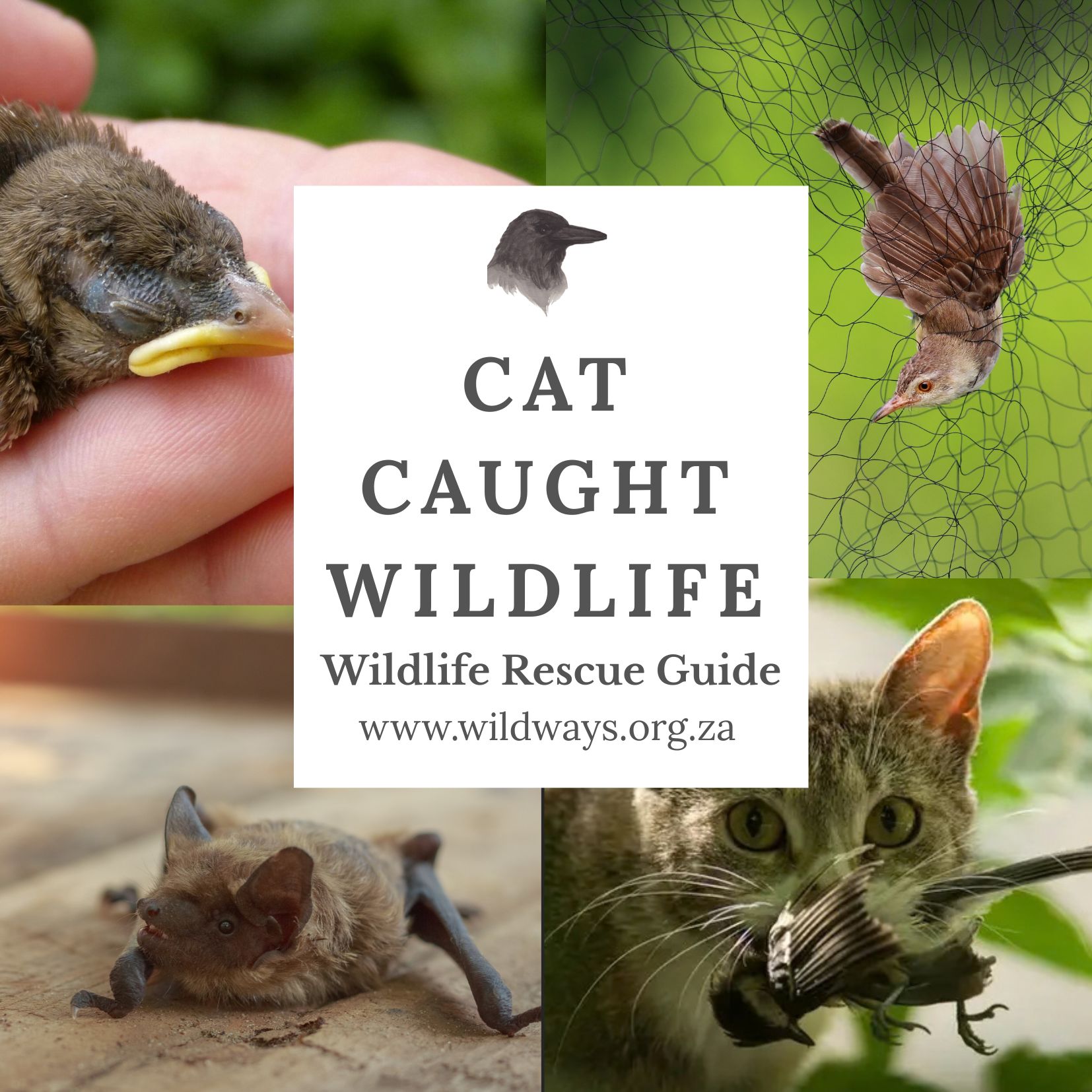 What To Do If a Cat Catches a Bird
 Baby Bird on the Ground
 What To Do If You Find a Baby Mammal
 What To Do If You Find a Bat
 What To Do If a Bird Hits a Window
 What To Do If Wildlife Is Trapped