Wild Ways Wildlife Rescue Guide: This article is part of the Wild Ways Wildlife Rescue Guide series, which provides practical advice on how to respond when wildlife is injured, orphaned, or in distress in South Africa.
What To Do If Wildlife Is Trapped (Netting, Glue Traps, or Snares)
Wildlife can become trapped in many different ways in urban and rural environments. Garden netting, sports nets, fencing, glue traps, and illegal snares can all cause serious injuries and suffering to animals.
Animals caught in traps often panic and struggle, which can tighten the trap and worsen injuries.
Knowing how to respond safely can prevent further harm and give the animal the best chance of survival.
If you are unsure how to respond when wildlife is in distress, you can also read our guide on what to do if you find injured wildlife.
Quick Steps If Wildlife Is Trapped
- Stay calm and keep people and pets away
- Do not allow crowds to gather
- If possible, gently contain the animal to reduce panic
- Never pull the animal forcefully from the trap
- Contact a permitted wildlife rehabilitation centre immediately
Wildlife Trapped in Netting
Birds, bats, and small mammals frequently become tangled in garden netting, sports nets, and fencing.
When animals panic, the netting can tighten around wings, legs, or necks, causing severe injuries.
If you encounter wildlife trapped in netting:
- Approach calmly and slowly
- Reduce noise and disturbance
- If safe to do so, support the animal’s body before cutting the netting
- Never pull the animal free without cutting the material
Even if the animal appears to recover after being freed, injuries may not be immediately visible. Always contact a permitted wildlife rehabilitation centre for advice.
Wildlife Caught in Glue Traps
Glue traps are extremely cruel devices designed to immobilise animals using strong adhesive surfaces. Wildlife caught in glue traps can suffer prolonged stress, injuries, dehydration, and starvation.
Birds, bats, reptiles, and small mammals are frequently caught unintentionally.
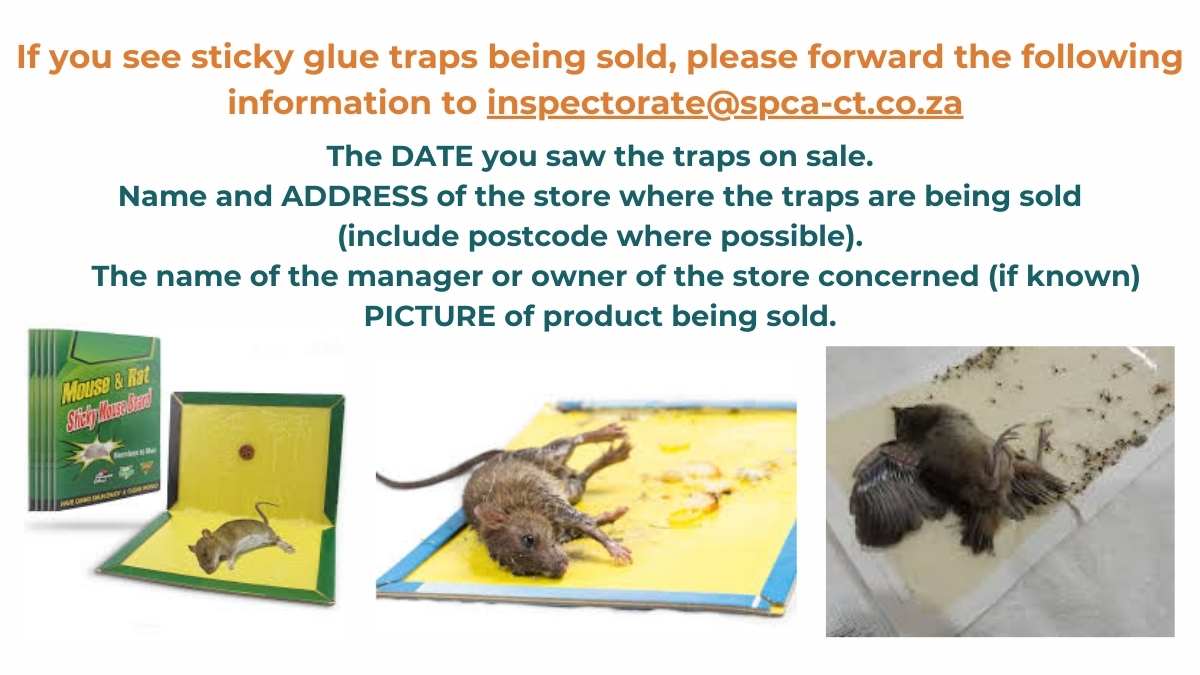
If you encounter glue traps being sold or used, please report this to the SPCA.
If wildlife becomes stuck in a glue trap:
- Do not pull the animal off the surface
- Cover the animal gently with cloth to reduce stress
- Place the trap inside a box for safe transport
- Contact a permitted wildlife rehabilitation centre immediately
Glue traps cause severe suffering and should be reported to the SPCA.
Animals Caught in Snares
Snares are wire traps designed to capture animals by tightening around the body or neck. They are often used illegally and cause immense suffering to wildlife.
Animals caught in snares may struggle for hours or days, causing deep wounds, broken bones, or strangulation.
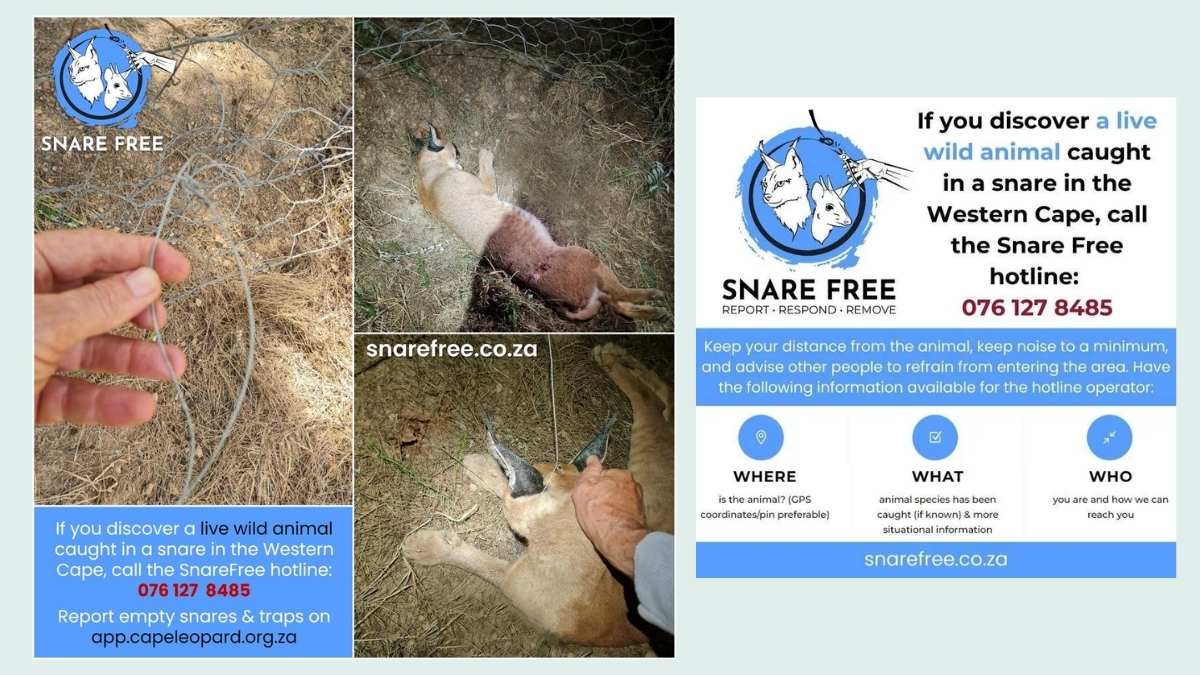
If you encounter snares in the environment, please report them to the Cape Leopard Trust's Snare Free Project.
If you encounter an animal trapped in a snare:
- Keep a safe distance from the animal
- Do not attempt to release the animal
- If you can, cover the animal's head with a cloth to reduce stress
- Contact wildlife authorities or a permitted wildlife rehabilitation centre immediately
Stress Can Kill Wildlife
Wild animals caught in traps experience extreme fear and stress. Loud noises, crowds, and excessive handling can worsen the situation.
The best approach is to keep the environment calm and allow trained professionals to handle the rescue.
Learn Wildlife Rescue the Right Way
If you want to help wildlife safely and confidently, learning the correct response techniques is essential.
The Wildlife First Responder Training course teaches practical wildlife rescue skills including how to safely assist trapped wildlife, reduce stress, and transport animals to permitted wildlife rehabilitation centres.
Become a Wildlife First Responder
Learn how to respond safely when wildlife is in distress and become part of a growing network of trained responders helping wildlife across South Africa.
Members of the Wild Ways Pack receive a discount on this training and gain access to the private community forum where responders connect, share experiences, and access wildlife rescue resources.
View Wildlife First Responder TrainingWildlife Rescue Guides
If you encounter wildlife in distress, these guides explain how to respond safely in common rescue situations.
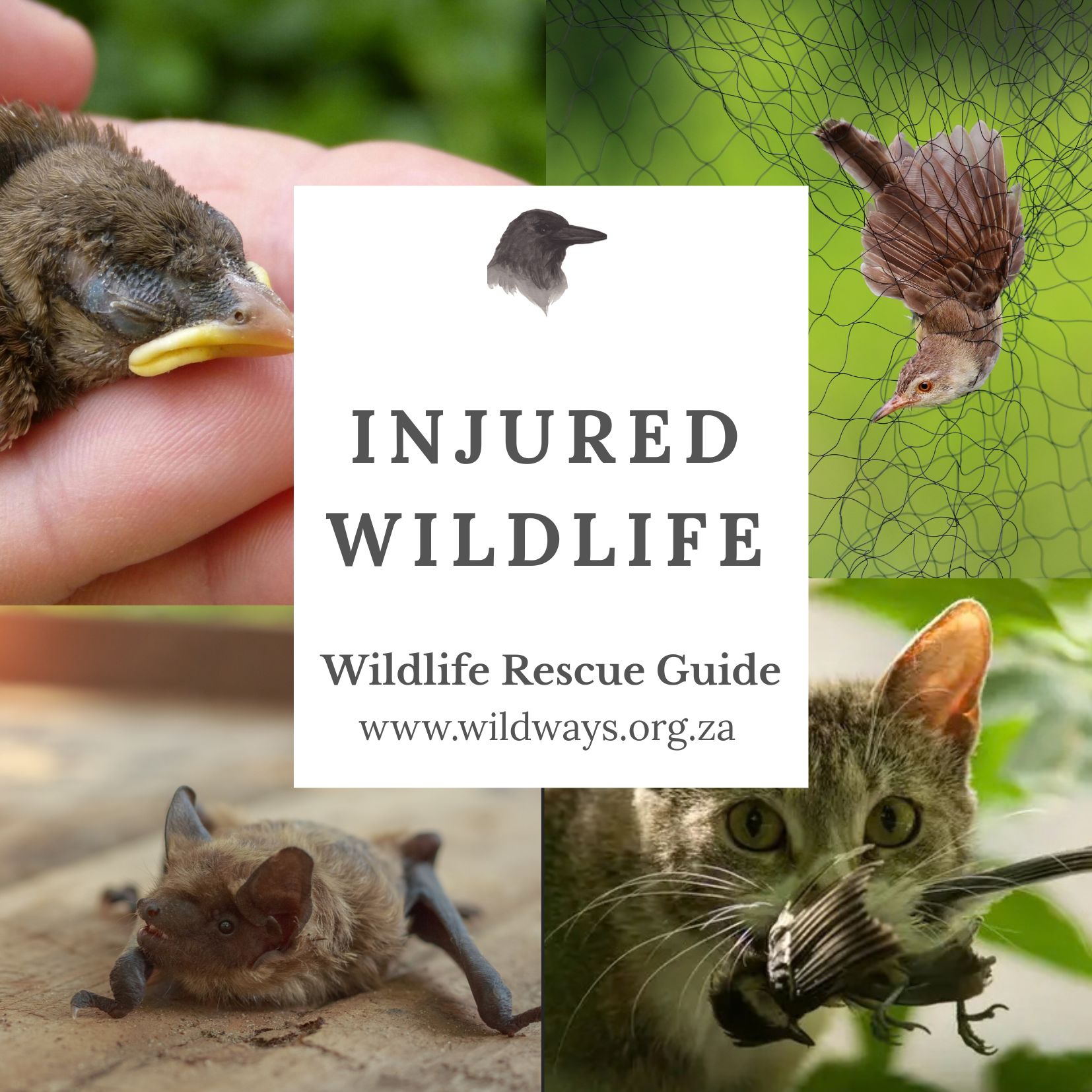 What To Do If You Find Injured Wildlife
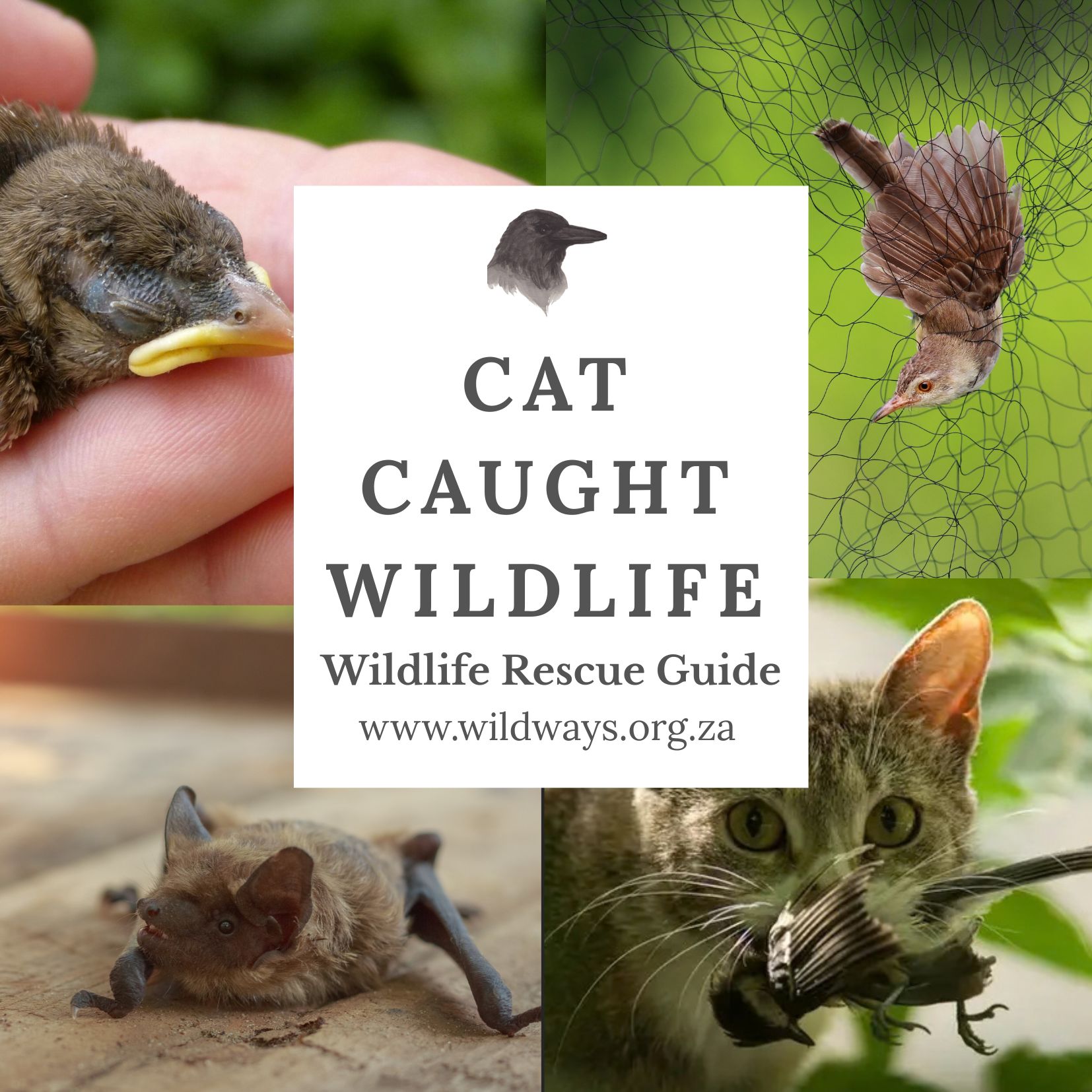 What To Do If a Cat Catches a Bird
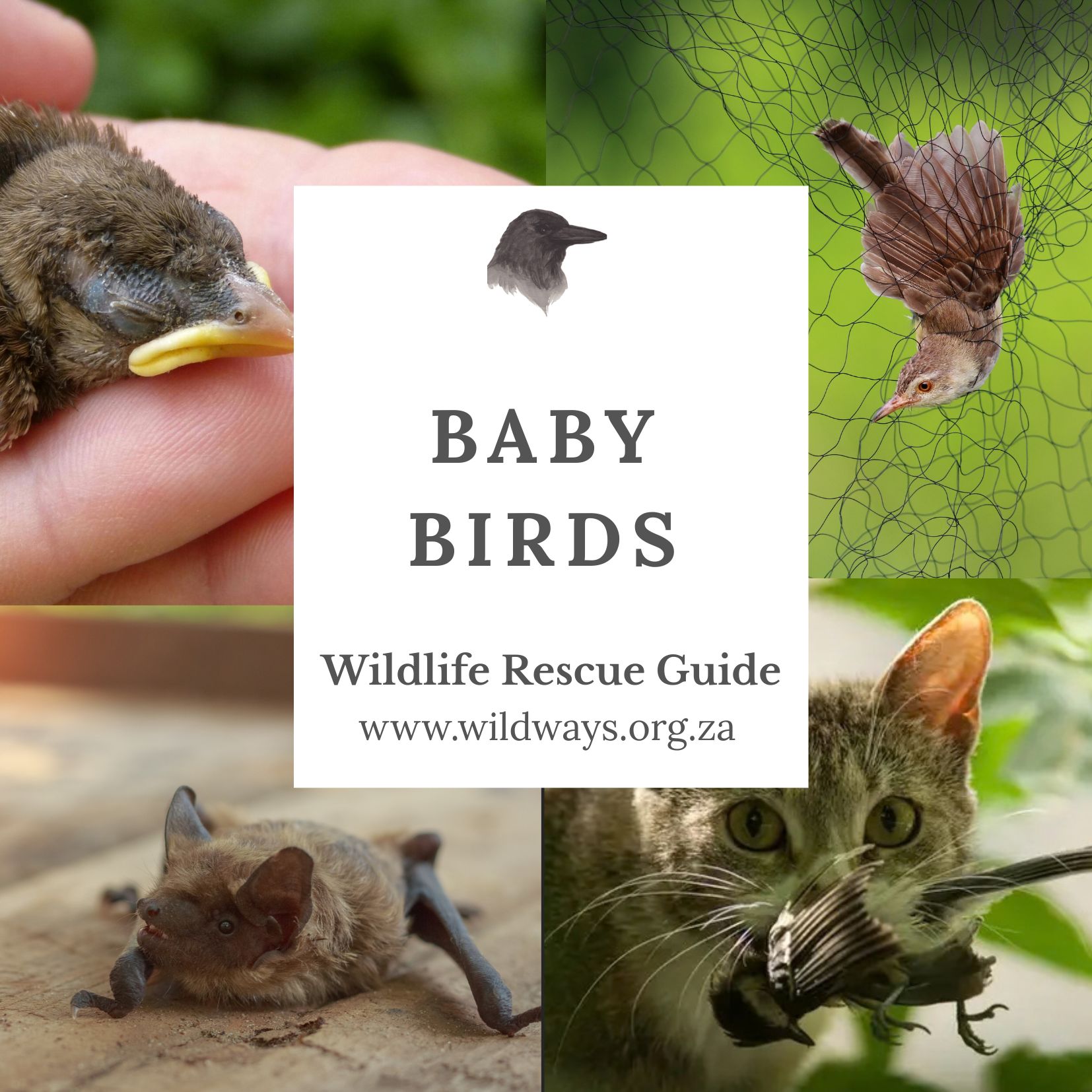 Baby Bird on the Ground
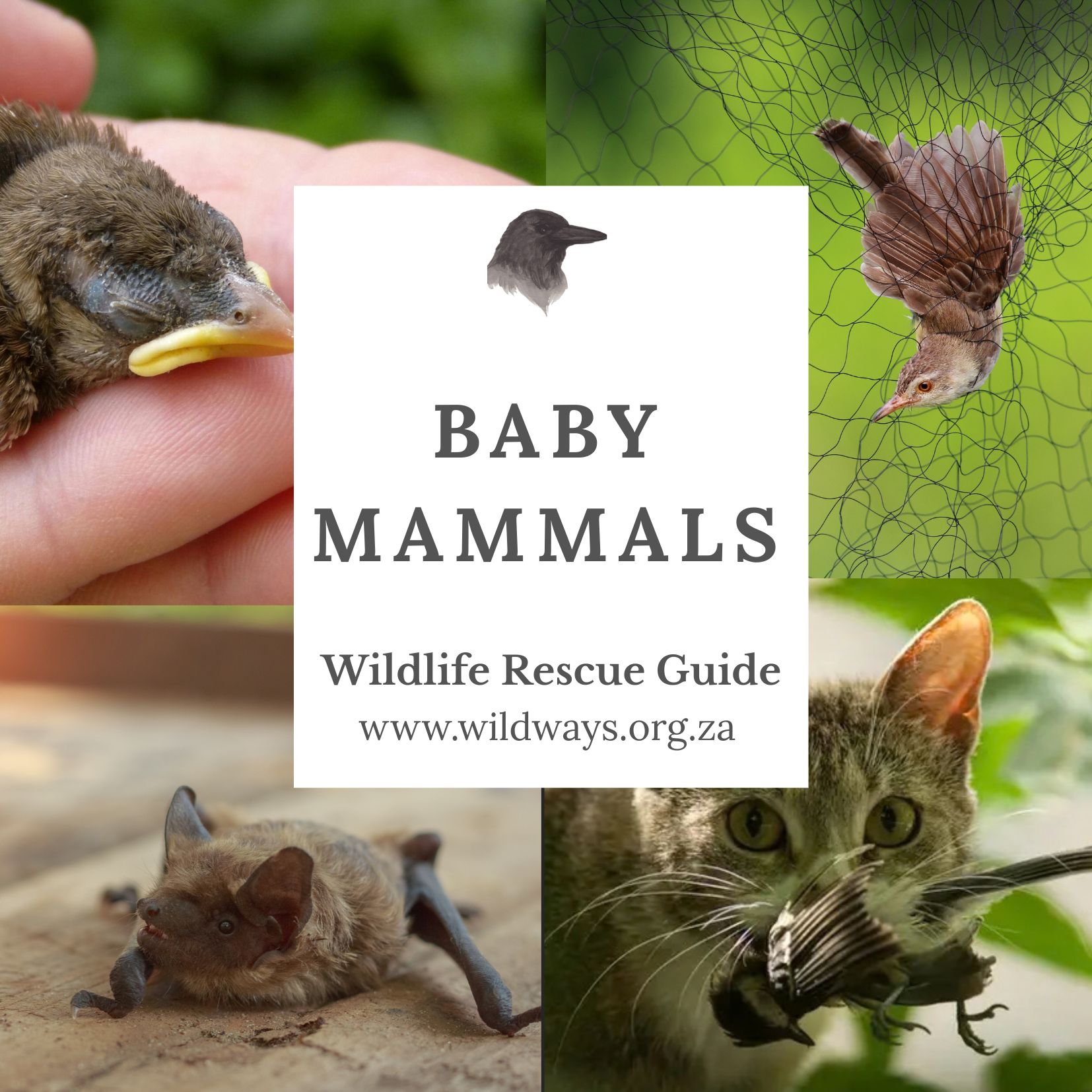 What To Do If You Find a Baby Mammal
 What To Do If You Find a Bat
 What To Do If a Bird Hits a Window
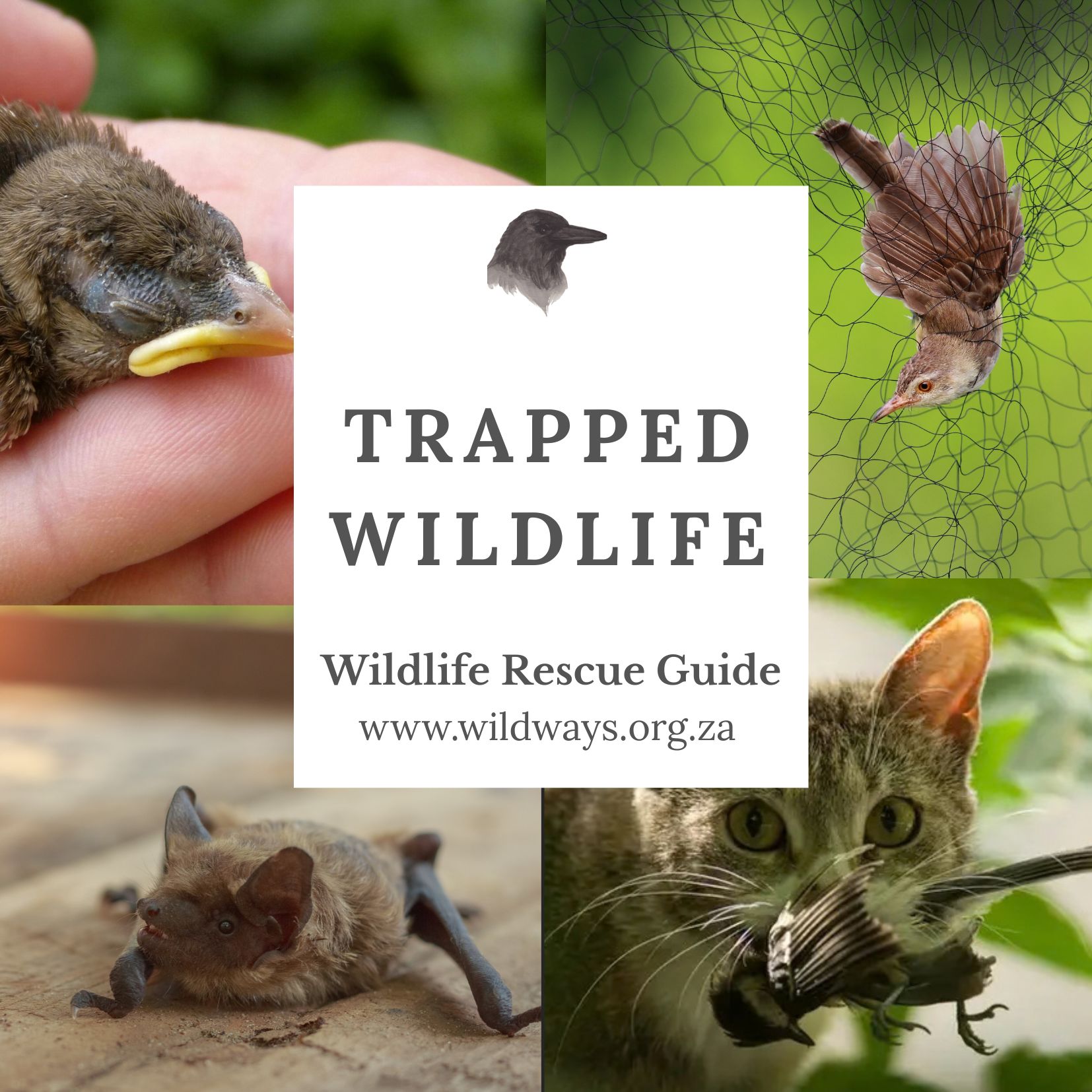 What To Do If Wildlife Is Trapped