What Is a Wildlife First Responder?
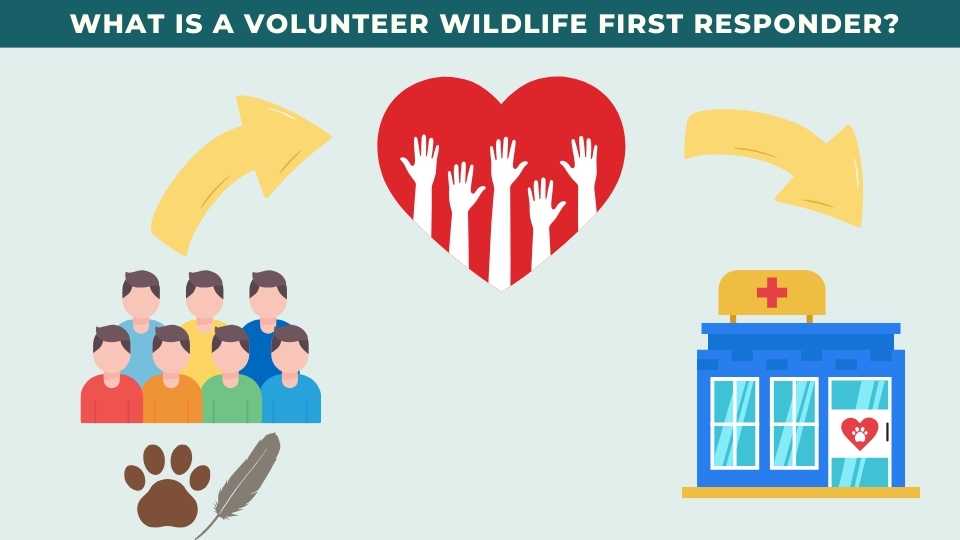
A trained Wildlife First Responder can be the life-saving link between the public who find wildlife in distress and permitted rescue centres.
Without the right knowledge, well-meaning attempts to help wildlife can unintentionally cause catastrophic harm. This is often referred to as “killing with kindness.”
Wildlife First Responsders can play an important role in protecting wildlife because they know how to reduce stress for the animal, avoid common rescue mistakes, and ensure wildlife reach permitted rehabilitation centres safely.
Wildlife Rescue Training helps people become better first responders by teaching them how to recognise emergencies and respond in ways that support the animal’s survival and wellbeing.If you are unsure how to respond when wildlife are in distress, our Wildlife Rescue Guide explains what to do in common situations such as finding injured wildlife, baby wildlife, bats, birds, and animals caught in traps.
Protecting Wildlife from Unnecessary Rescue
One of the most important roles of a Wildlife First Responder is preventing the unnecessary removal of healthy wildlife from nature.
Every year, many wild animals are taken from the wild by people who believe they are helping, when in reality the animal did not need rescuing. This causes immense stress for wildlife and creates additional pressure on already overwhelmed rehabilitation centres.
Trained Wildlife First Responders act as the link between the public and permitted wildlife rehabilitation centres and together their knowledge helps ensure that wildlife are only rescued when intervention is truly necessary.
By guiding the public and responding appropriately to wildlife encounters, Wildlife First Responders help prevent unnecessary suffering and ensure that animals receive the right care at the right time.
What Does a Wildlife First Responder Do?
- Assess wildlife situations calmly and safely
- Recognise when wildlife truly needs help
- Prevent unnecessary removal of healthy animals from the wild
- Reduce stress during rescue situations
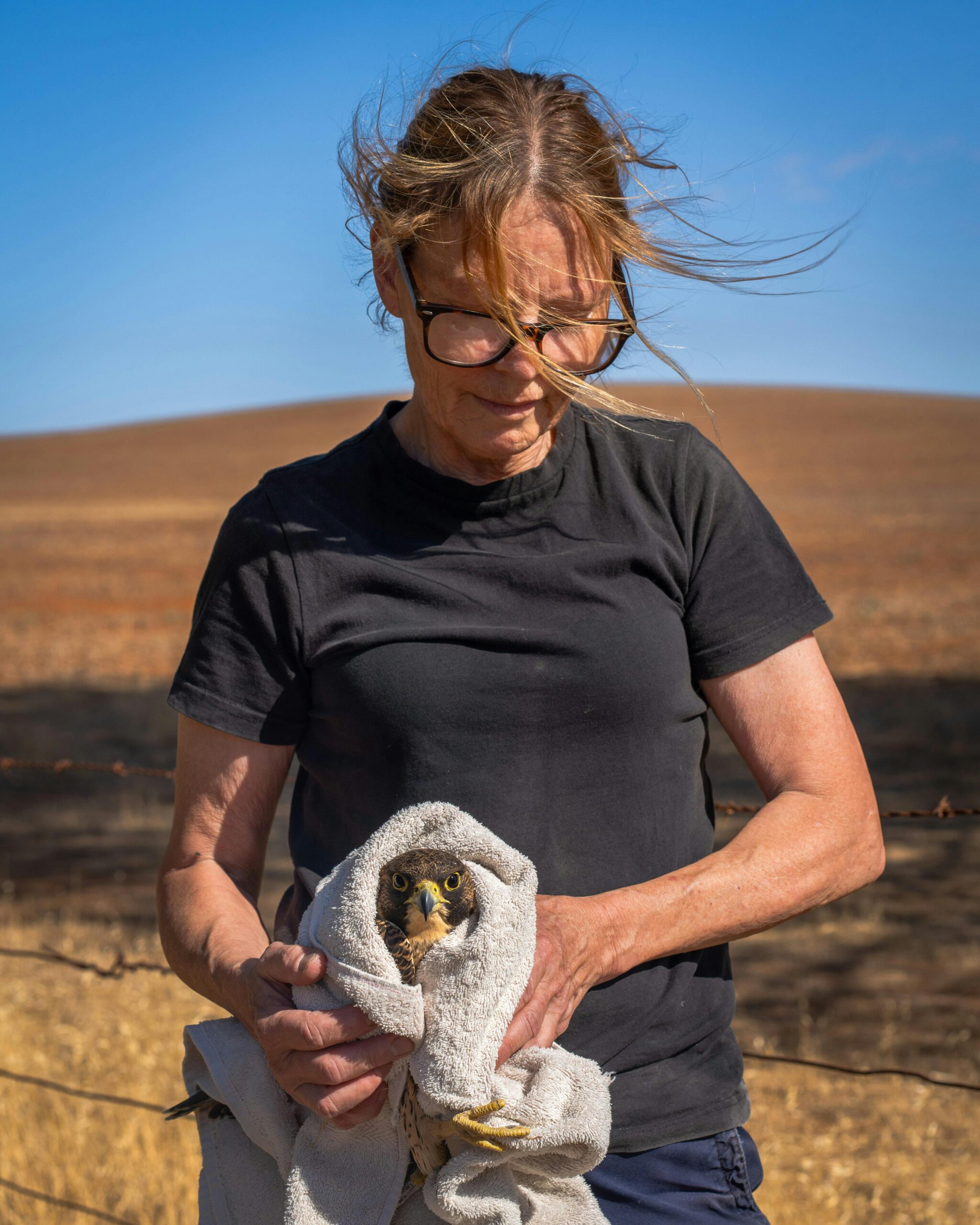
- Safely contain injured wildlife when necessary
- Transport wildlife to permitted rehabilitation centres
- Educate the public about responsible wildlife rescue
Understanding Wildlife Health and Stress
Wildlife are extremely good at hiding pain and illness. Showing weakness in nature can attract predators, so animals often suppress visible signs of distress.
Wildlife First Responder training teaches people how to recognise subtle signs of suffering so that animals receive appropriate help.
- Recognising signs of pain, stress, and shock
- Identifying dehydration or illness
- Understanding how human interaction affects wildlife behaviour
- Reducing the risk of capture myopathy caused by extreme stress
- Knowing when intervention is necessary and when wildlife should be left alone
Why Wildlife First Responders Matter
Wildlife rehabilitation centres rely on knowledgeable members of the public to respond appropriately when wildlife emergencies occur.
Trained Wildlife First Responders help ensure that animals are not unnecessarily handled or removed from the wild and that injured animals reach professional care quickly and safely.
By acting as the bridge between the public and rehabilitation centres, Wildlife First Responders play an important role in protecting wildlife and supporting the work of licensed rehabilitators.
Who Can Become a Wildlife First Responder?
Anyone who cares about wildlife can become a Wildlife First Responder. The training is designed for members of the public who want to help wildlife safely and responsibly.
No veterinary training is required. The course focuses on practical knowledge that helps everyday people respond appropriately when they encounter wildlife in distress.
Learn Wildlife Rescue the Right Way
If you want to confidently assist wildlife when emergencies occur, our Wildlife First Responder Training teaches practical rescue skills used by wildlife rescuers and rehabilitation centres.
Members of the Wild Ways Pack receive a discount on this training and gain access to a private community forum where trained responders connect, share experiences, and access wildlife rescue resources.
View Wildlife First Responder Training