Wild Ways Knowledge Base: This article is part of our Wild Ways Rescue Knowledge Base series, which shares practical advice from wildlife rescue centres about what the public should know when helping wildlife in distress.
You can also explore our Wildlife Rescue Guide for step-by-step help in common wildlife emergencies.
No Kidnapping Wildlife
- Never give injured wildlife food or water.
- Keep wildlife in a dark, quiet container to reduce stress.
- Minimise handling and human interaction.
- Transport animals to a permitted rescue centre as soon as possible.
One of the most common mistakes people make when trying to help wildlife is rescuing baby animals that are not actually abandoned. Many wild animals leave their young hidden while they forage for food, returning regularly to feed and care for them.
Did you Know? Deer and antelope, as well as lagamorphs (hares and rabbits) will intentionally leave their young on their own all day, while watching from a distane.
These babies are not abandoned!
This natural behaviour helps protect young animals from predators. When humans remove these babies from the wild, they may unintentionally separate them from healthy, attentive parents.
Before intervening, it is important to understand how wildlife parenting works and when young animals truly need help. Always check in with a permitted rescue centre to confirm that you are doing the right thing.
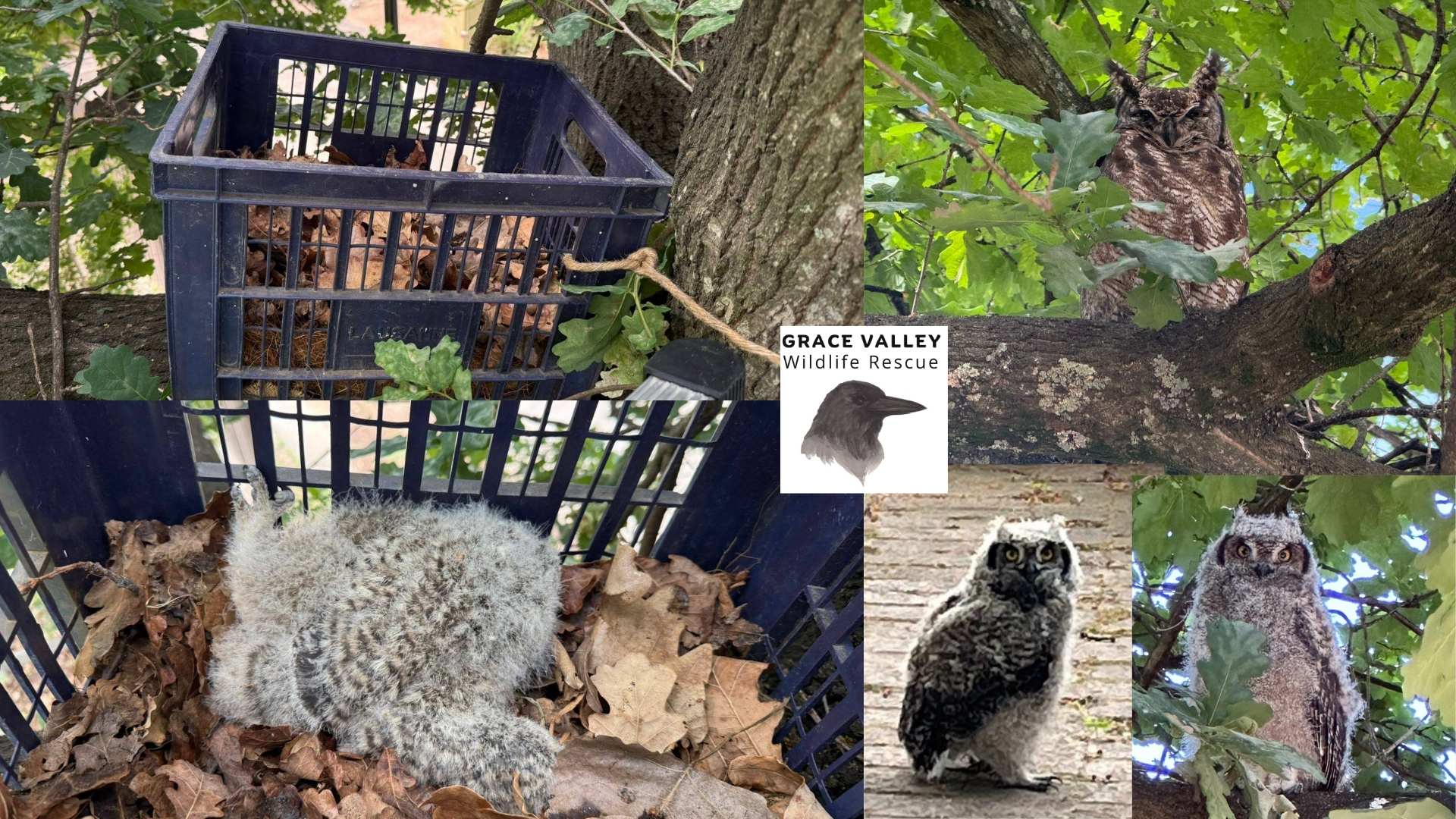
In many situations, the best solution is not to remove the baby animal but to reunite it safely with its parents. Wildlife rescue centres and trained wildlife first responders are experienced in assessing these situations and preventing unnecessary removal of healthy wildlife from nature.
In the example above, a young Spotted Eagle Owl was found after its nest was damaged. Instead of removing the owl, a temporary nest was created nearby while the parents watched from the top of tree we were using to secure the nest. The parents quickly returned and continued caring for their chick until it grew into a healthy adult.
These types of reunification efforts prevent healthy wildlife from entering rehabilitation unnecessarily and allow animals to grow up naturally in the wild where they belong.
If you find a baby bird on the ground, it may be a fledgling learning to fly. Learn how to identify fledglings and when intervention is necessary in our guide: What to do when you find a baby bird on the ground. You can also read our guide on what to do if you find a baby mammal.
Learn Wildlife Rescue The Right Way
If you want to confidently assist wildlife during emergencies, our Wildlife First Responder Training teaches practical skills used by wildlife rehabilitators to assess situations, reduce stress, and safely transport animals to permitted rehabilitation centres.
Members of the Wild Ways Pack receive a discount and access to our private wildlife responder community.
View Wildlife First Responder TrainingMore Things Rescue Centres Wish You Knew
Ambulance Not Uber Eats
Read Article
Ready To Ride
Read Article
Feeding Wild Birds
Read Article