5 Things Rescue Centres Wish You Knew
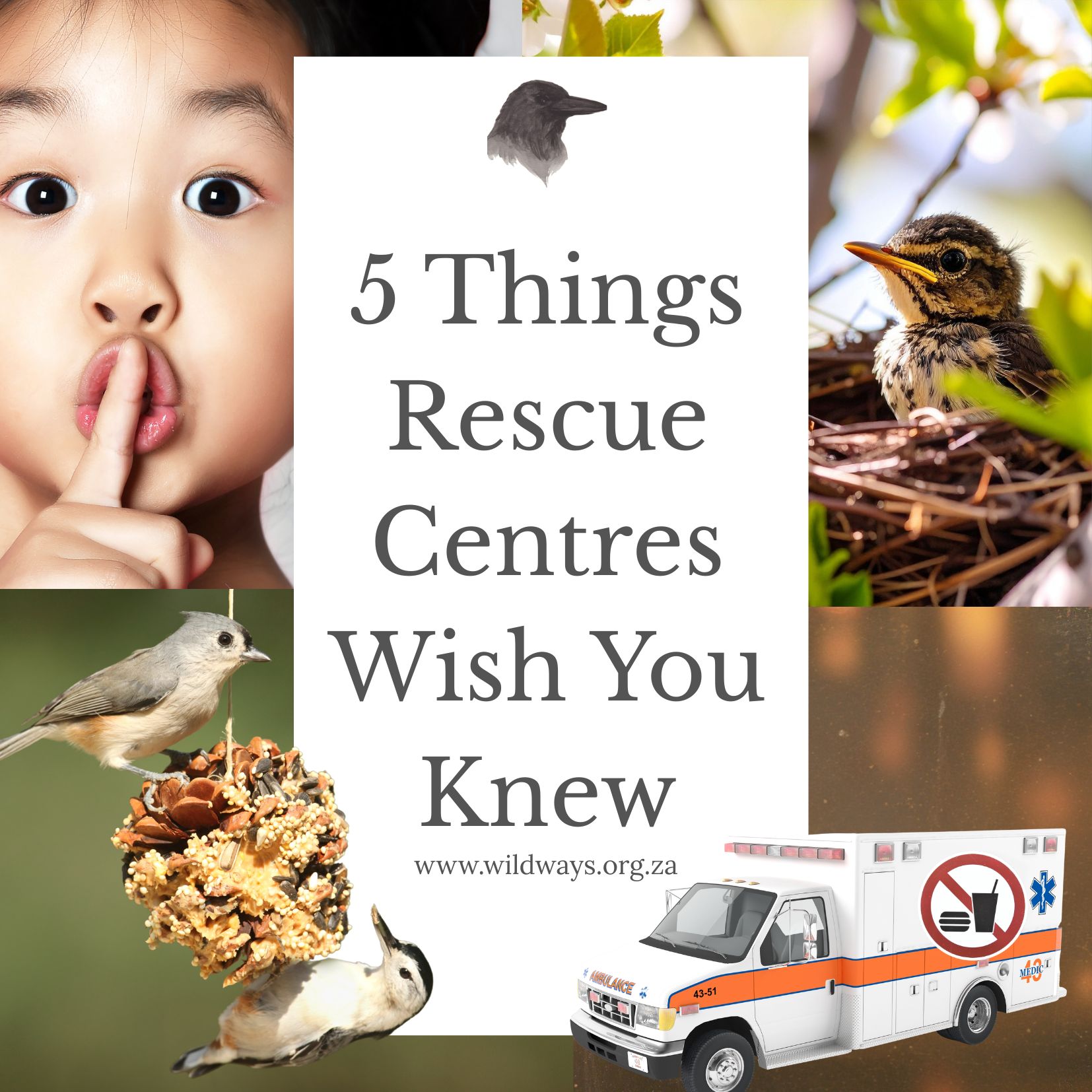
Wildlife rescue centres follow strict protocols when caring for injured and orphaned wildlife. These procedures exist to protect animals from one of the greatest dangers they face during rescue: stress.
Wild animals perceive humans as predators. Excessive handling, noise, light, and human interaction can trigger extreme stress responses that may lead to shock, illness, or even death.
For this reason, wildlife rehabilitators minimise sensory stimulation and keep handling to the absolute minimum required for life-saving care. The goal is always the same: reduce stress and return wildlife safely to the wild.
Learn Wildlife Rescue the Right Way
If you want to confidently assist wildlife during emergencies, our Wildlife First Responder Training teaches practical skills used by wildlife rehabilitators to assess situations, reduce stress, and safely transport animals to permitted rehabilitation centres.
Members of the Wild Ways Pack receive a discount on this training and gain access to our private community forum where responders connect and share experiences.
View Wildlife First Responder TrainingImportant Things Rescue Centres Want the Public to Know

Ambulance, Not Uber Eats
When wildlife are cold, injured, malnourished, or in shock, food and water will cause more harm than good.
Read Article
No Kidnapping!
Many baby animals found alone are not abandoned. Understanding wildlife parenting behaviour prevents unnecessary rescues.
Read Article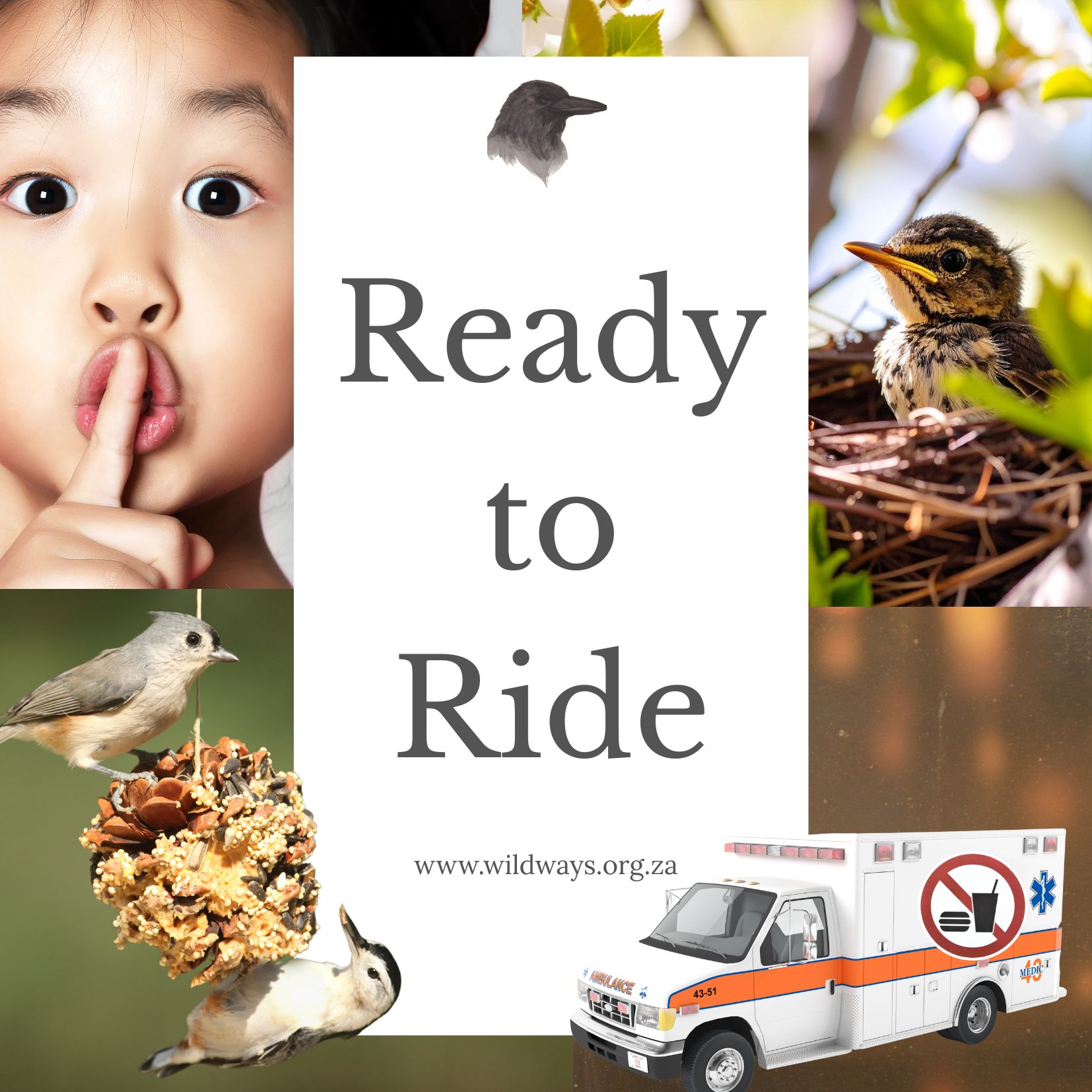
Ready to Ride
Safe transport is one of the most important steps in wildlife rescue. Learn how to create a suitable emergency transport carrier.
Read Article
The Do's and Don'ts of Feeding Wild Birds
Feeding wildlife incorrectly can cause serious harm. Learn when feeding helps and when it creates problems for wild birds.
Read Article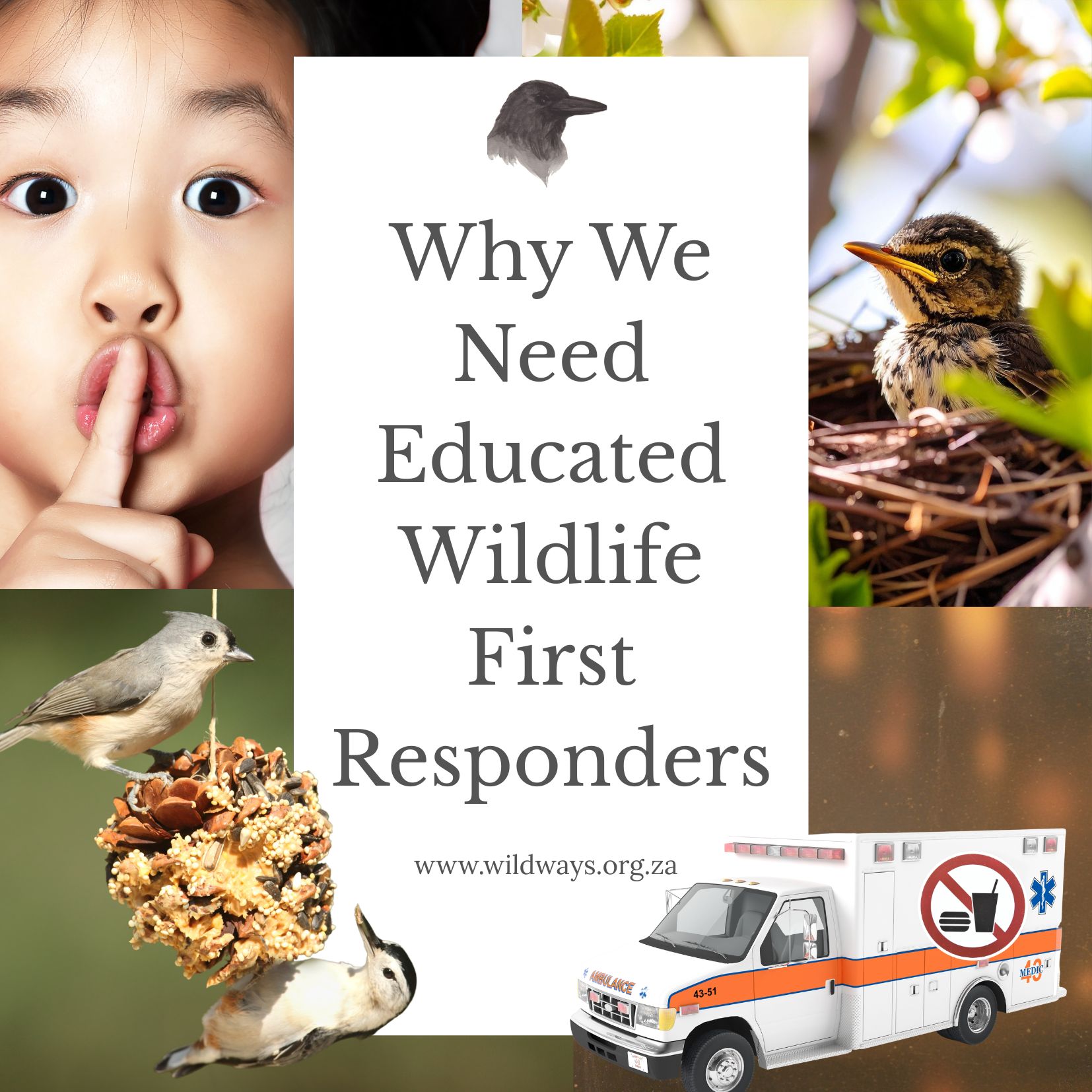
Wildlife First Responders
Trained wildlife first responders bridge the gap between the public and rescue centres, helping animals reach professional care safely.
Read Article